
Clinical psychologist, co-founder of Evidence Based Psychological Care
Cara Kiff, PhD
Anxiety looks different at 8, 16, 22, and 45, but it runs on the same engine. I am a clinical psychologist who has spent nearly 20 years helping people of every age slow it down, from kids and teens to college students, adults, and the parents trying to hold it all together.
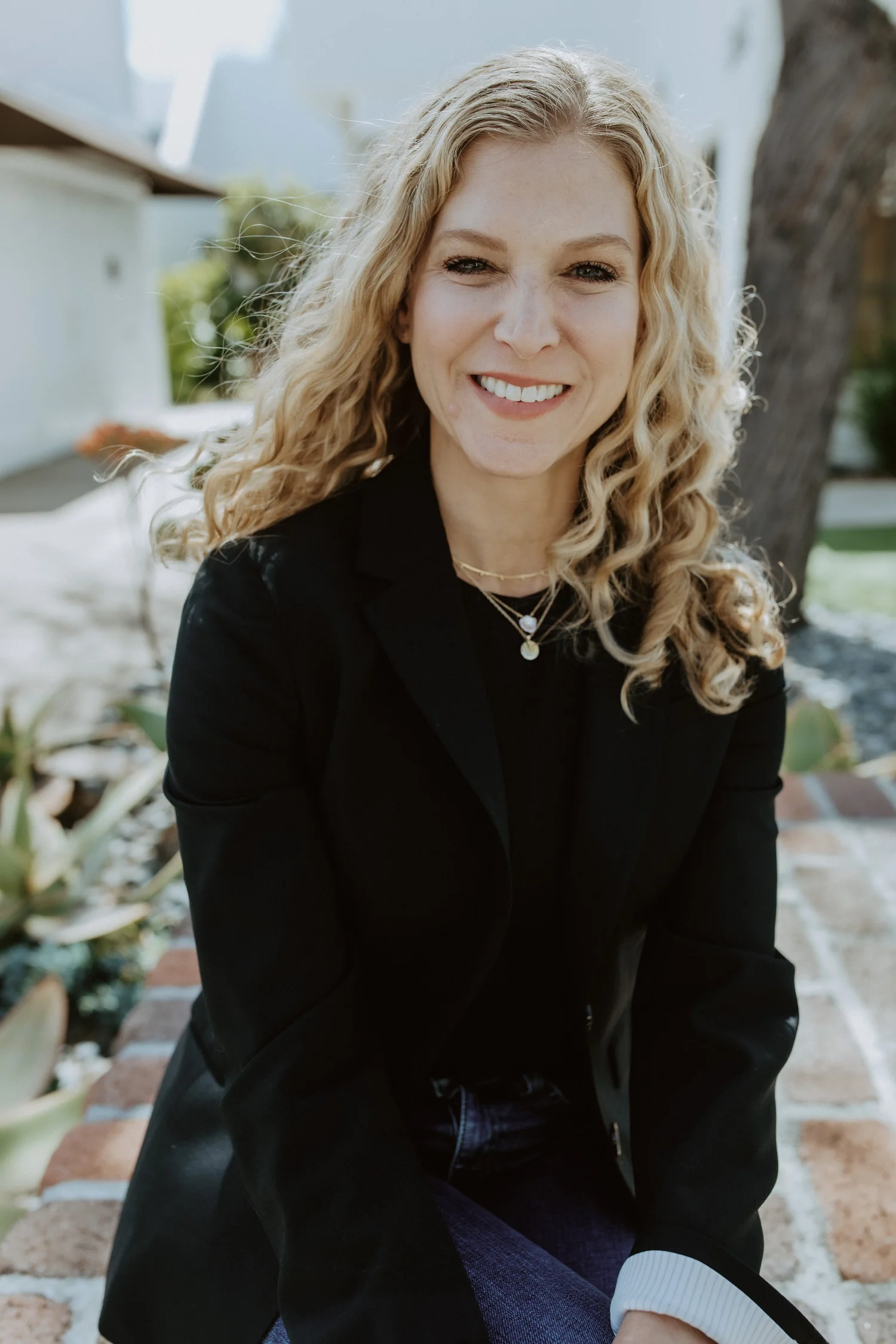
For adults, it often shows up as overthinking. You replay the meeting on the drive home, rewrite the email 6 times, or lie awake at 2 a.m. solving problems that have not happened yet. Many of my adult clients are attorneys, physicians, and other professionals whose careful thinking built their careers, until the same habit started costing them sleep, patience, and joy. Overthinking also flares during transitions, such as a child leaving for college, a career shift, or a new chapter that looks different than planned.
For college students and young adults, it may look like perfectionism that turns every B into a crisis, panic before exams, or a low mood that friends never see. The years between home and full independence bring more decisions than any other stage, and I help young adults make them without spiraling.
For children and teens, anxiety can show up as stomachaches before school, meltdowns over homework, rituals that take over the morning, or a teen who stops going out. Parents often end up reassuring, negotiating, and rearranging family life around the fear. I work with kids and teens directly, and I also meet with parents on their own. Research shows that changing how parents respond to anxiety can reduce a child’s symptoms, even when the child never attends a session.
At every age, my approach rests on the same science. Cognitive behavioral therapy (CBT) teaches you to spot the thought loops that drive worry and test them against what happens in real life, including through exposure, which helps you, or your child, face what has been avoided in small, planned steps. Acceptance and commitment therapy (ACT) helps you step back from anxious thoughts instead of arguing with them, so you can act on what matters even when worry shows up. When emotions feel too big to manage, skills from dialectical behavior therapy (DBT) help you get through hard moments without making them worse. Together we set concrete goals, track progress, and change course when something is not working.
Before private practice, I built a research career studying how temperament, parenting, and stress shape anxiety across development, including an NIH-funded postdoctoral fellowship at UCLA’s Semel Institute. That background helps me see how the worried 8-year-old and the overthinking 45-year-old connect, and it means I choose treatments with strong evidence behind them.
After-school and Saturday hours
A colleague who can see your child when I cannot
If your child or teen needs after-school or Saturday appointments, my colleague Janie Venturina, LMFT, offers those hours, and I am glad to help your family connect with her.
At a glance
- Who I work with Adults, college students and young adults, teens, children, and parents
- What I help with Overthinking and worry, perfectionism, anxiety and panic, depression, life transitions, OCD, tics, hair pulling, and skin picking
- How we meet In person in Calabasas or by telehealth in California, Colorado, Illinois, New York, and Texas
- Fees Out of network, with superbills provided
- Availability Accepting new clients
Training and experience
- Undergraduate
Bachelor of Arts, UCLA
- 2006 to 2007
Began seeing clients as a clinical trainee
- 2007
Master of Science, University of Washington
Graduate training in quantitative and developmental psychology.
- 2012
PhD in Child Clinical Psychology, University of Washington
Clinical internship at the University of Washington School of Medicine, treating patients at Seattle Children’s Hospital. My graduate research on children’s biobehavioral characteristics and family factors received support from the National Institute of Mental Health, the American Psychological Association, and the University of Washington.
- 2012 to 2014
NIH-funded postdoctoral fellowship, UCLA Semel Institute for Neuroscience and Human Behavior
Advanced training with experts in parenting, child temperament, and the treatment of anxiety, OCD, depression, and behavior problems.
- 2014 to 2018
Project Director, FOCUS for Early Childhood, UCLA
Directed a federally funded clinical trial of a preventive parenting intervention for families with young children.
- 2018 to today
Full-time private practice in Calabasas
I also co-founded Evidence Based Psychological Care, Inc., where I serve as a Clinical Director. Selected publications appear on the Publications page.
Licenses
- California PSY27786
- Colorado PSY.000571
- Illinois 071.011262
- New York 027866
- Texas 40985
Professional memberships
- American Psychological Association
- Society of Clinical Child and Adolescent Psychology (APA Division 53)
- Association for Behavioral and Cognitive Therapies
- International OCD Foundation
Beyond the office
When I am not in the office, you will likely find me in the bleachers or behind the backstop, cheering for my kids. The rest of the time, my dogs make sure I get outside every day, and those walks may be the one place where even I stop overthinking.
Whether the overthinker is you, your teenager, or your 8-year-old
Schedule a complimentary consultation. You do not need to know which service you need before you call.